Trump's 12.5% additional tariffs move under Section 301: What does it mean for India
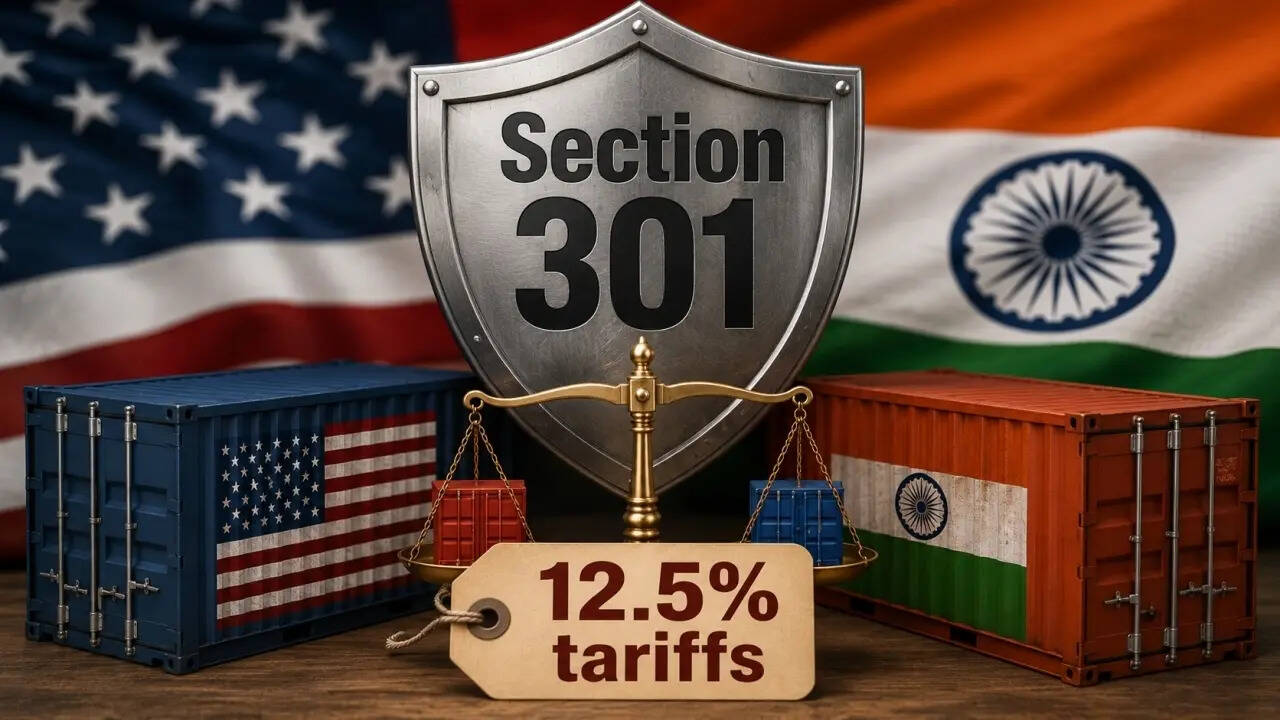
Two days after India's Commerce Minister announced that India-US trade negotiations were in final stages, the Trump administration proposed additional tariffs on countries found to have insufficient forced labor import prohibitions under its Section 301 investigation launched in March 2026. India is among approximately 60 countries named in the findings. The Section 301 probe examines trade practices and policies to determine whether unfair practices harm US trade interests, with the option of imposing trade restrictions and tariffs if violations are found.
India falls into a category of 54 economies that have failed to impose and effectively enforce a forced labor import prohibition, making it subject to the proposed 12.5% tariff rate. The proposed tariffs remain at an initial stage, with interested countries able to submit challenges and testimony summaries by June 22, 2026, and written comments by July 6. Public hearings are scheduled for July 7, with final decisions expected by July as the current 10% universal tariff expires later that month.
For Indian exporters, the implementation of these additional tariffs could significantly impact labor-intensive sectors including textiles, apparel, carpets, leather goods and agricultural products such as seafood, coffee and rice. Experts note that Indian exporters may face heightened scrutiny regarding supply chain transparency and forced labor compliance practices. The timing of this Section 301 action is particularly significant as it occurs amid ongoing India-US trade deal negotiations, which have been complicated by a US Supreme Court ruling that struck down the Trump administration's reciprocal tariff system as illegal.
Trade policy experts recommend that India take multiple approaches to address the proposed tariffs. The country should file substantive written comments and engage actively at the July 7 public hearing to contest the findings. Some analysts suggest challenging the tariffs on legal grounds, arguing they exceed US World Trade Organization commitments and exceed the scope of Section 301, which should address market-access barriers rather than countries' import control frameworks. Additionally, India should leverage ongoing bilateral trade negotiations to seek exemptions or modifications to the proposed duties as part of a broader trade agreement framework.
Información de The Times of India. Edición y redacción: Noticias Today.
Ver publicación original ↗


💬 Comentarios (0)
Iniciá sesión o creá tu cuenta para comentar.