'Never imitated anyone': When Suman Kalyanpur spoke on comparison with Lata Mangeshkar
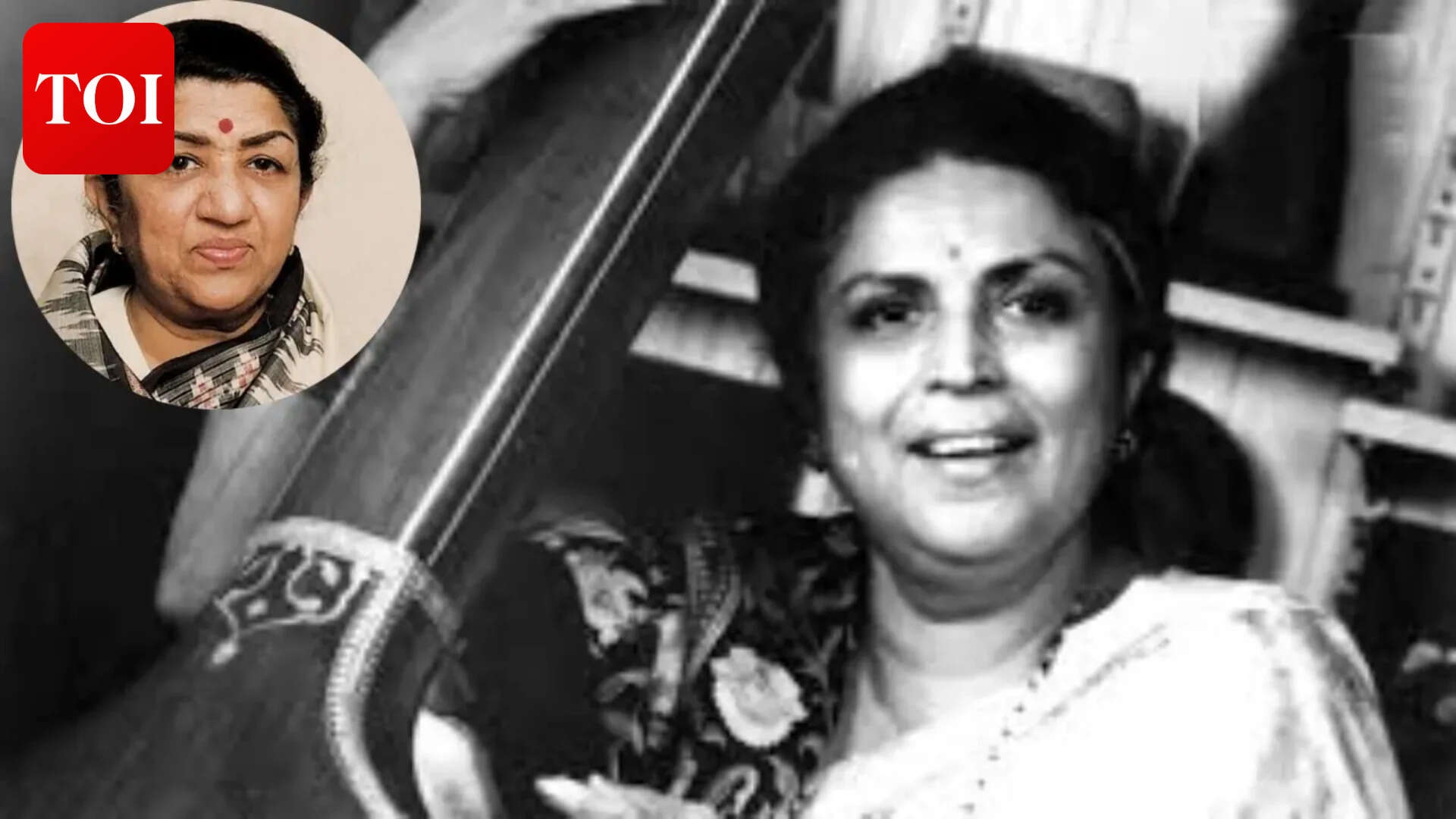
The Indian music industry lost one of its most respected voices when Suman Kalyanpur passed away at her residence in Lokhandwala, Andheri, on May 31, 2026, due to age-related ailments. She was laid to rest with full state honours on June 1, 2026. For decades, listeners often mistakenly attributed iconic songs such as 'Aaj Kal Tere Mere Pyaar Ke Charche' and the Marathi lullaby 'Nimbonichya Jhada Mage' to Lata Mangeshkar, given the striking similarity between the two voices. This resemblance placed Kalyanpur at the centre of one of Indian music's most enduring debates.
Despite persistent comparisons throughout her career, Suman Kalyanpur maintained unwavering confidence in her artistic identity. In a conversation with ETimes following Lata Mangeshkar's death in 2022, she reflected on the matter with characteristic grace: "My voice is similar to Lata tai's. But if keenly listened to, a connoisseur can tell them apart. I sang every song to the best of my capacity. I never bothered about any comparisons people made. I never imitated anyone since I firmly believed in sticking to my own style of singing."
Kalyanpur held deep admiration for Lata Mangeshkar's artistry. "I always admired Lata tai's sweet and melodious voice. I was impressed by her taans, harkats and murkis," she recalled. When asked about industry speculation that producers approached her when Lata Mangeshkar's availability or fees were prohibitive, Kalyanpur responded with characteristic humility: "I really don't know about that. I just sang all songs that came my way."
The two singers shared meaningful personal moments. They first met during the recording of the film 'Mangu', where Lata Mangeshkar complimented Kalyanpur's singing and offered her a ride home after an early recording session. "She was very warm and friendly in the car. To this day, I remember the ride vividly," Kalyanpur recalled. Their final meeting occurred years later at the premiere of 'Lekin', where they exchanged only brief words but left a lasting impression.
Kalyanpur's journey into music was unexpected. While studying fine arts at Mumbai's Sir J. J. School of Art, legendary ghazal singer Talat Mahmood heard her perform at a public programme in 1953 and recommended her to HMV for non-film recordings. Music director Mohammed Shafi later heard her Marathi recordings and offered her songs for 'Mangu', launching her illustrious playback career. Throughout decades of work across multiple languages and genres, she maintained selective choices to preserve her family's dignity.
Information from The Times of India. Edited by: Noticias Today.
View original article ↗


💬 Comments (0)
Sign in or create your account to comment.